Q Fever Meeting Highlights Diagnostic Gaps and Control Needs in Iran
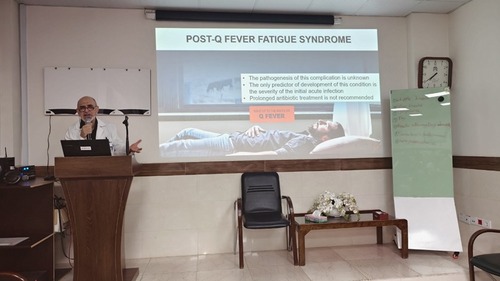
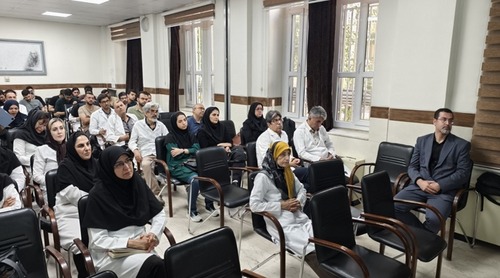
On June 28, 2026, the 49th Scientific Meeting of the Emerging and Re-emerging Infectious Diseases Research Center of the Pasteur Institute of Iran, jointly organized with Tehran University of Medical Sciences (TUMS), convened at Imam Khomeini Hospital in Tehran. The session focused on Q fever epidemiology, diagnosis, and treatment, gathering infectious disease experts, researchers, and students. Dr. Saber Esmaeili (the Research Center’s Head) opened with an overview of Coxiella burnetii pathogenesis, reservoirs, transmission routes, and global epidemiology, while Dr. Hamid Emadi Kochak detailed acute and chronic clinical manifestations—highlighting endocarditis as the most dangerous form—and stressed that non-specific symptoms make epidemiological history (animal contact, occupation, residence) essential for differential diagnosis.
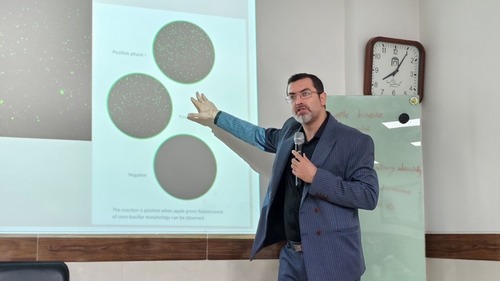
National studies reveal significant serological and molecular prevalence of Q fever in humans, livestock, and animal products across multiple provinces, with considerable exposure in high-risk groups. Given that culturing the pathogen requires Biosafety Level 3 labs, diagnosis relies mainly on serological and molecular methods. The meeting concluded with strong recommendations to strengthen surveillance systems, expand diagnostic capacities, raise clinical awareness, conduct broader epidemiological research, and enhance veterinary-public health collaboration. Experts underscored that timely diagnosis, appropriate treatment, and multi-sectoral coordination are vital to controlling this major zoonotic disease in Iran.