Pasteur Institute of Iran and TUMS Presented: Epidemiology, Current Status, and Clinical-Health Implications of Plague
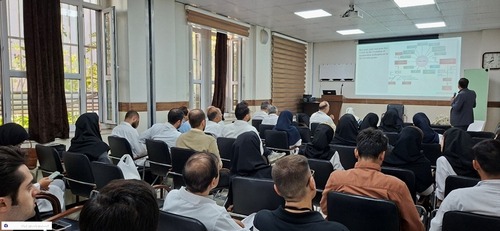
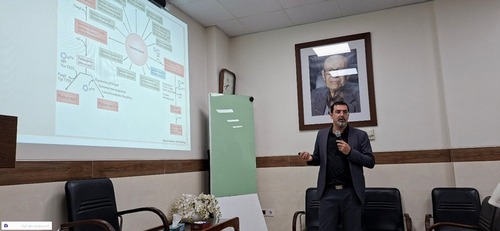
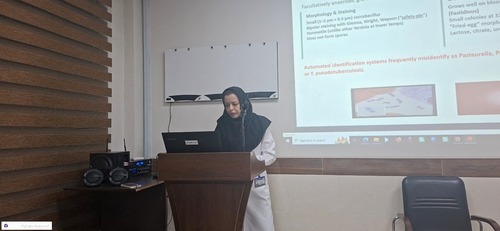
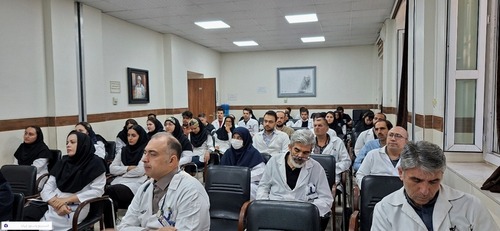
The 55th Scientific Meeting of the Emerging and Re-emerging Infectious Diseases Research Center at the Pasteur Institute of Iran, held in collaboration with Tehran University of Medical Sciences (TUMS), on October 28, 2026. The event focused on "An Overview of the Epidemiology, Current Status, and Clinical-Health Implications of Plague" to strengthen collaboration between the Pasteur Institute's diagnostic laboratories and clinical groups and to improve health personnel's understanding of endemic zoonotic bacterial diseases. During the event, experts discussed the microbiology and evolution ofYersinia pestis, animal reservoirs and transmission cycles, and the global burden of plague. Between 2001 and 2024, more than 28,000 human cases were reported across Africa, Asia, and the Americas, with over 87% occurring in the Democratic Republic of the Congo and Madagascar. Wildlife reservoirs and environmental persistence were cited as major obstacles to eradication, highlighting the need for sustained surveillance in natural foci and health system readiness.
Presentations addressed clinical forms of plague—bubonic, pneumonic, and septicemic—with emphasis on rapid diagnosis, immediate antibiotic therapy without waiting for laboratory confirmation, isolation of pneumonic cases, infection control, and contact tracing. Laboratory diagnostic methods, sampling strategies, and criteria for confirmatory diagnosis were also reviewed. A historical overview noted that the Pasteur Institute of Iran has maintained plague diagnostic and surveillance capacities since 1946 and obtained national reference status for plague, tularemia, and Q fever in 2016. Field surveillance of rodents and wildlife has identified circulation of the plague agent in some natural foci, with findings published internationally. Continued epidemiological and wildlife surveillance was stressed for timely detection of active foci and prevention of human cases.