Pasteur Institute of Iran Hosts the First Commemoration of World Field Epidemiology Day in Iran
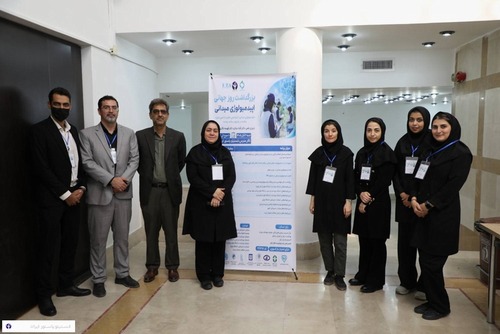
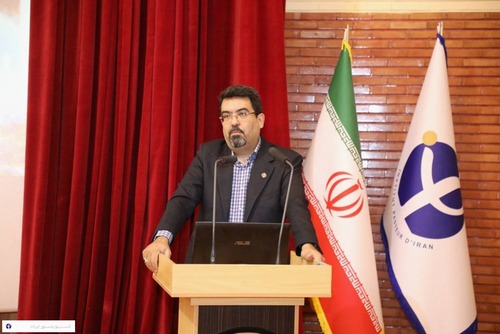
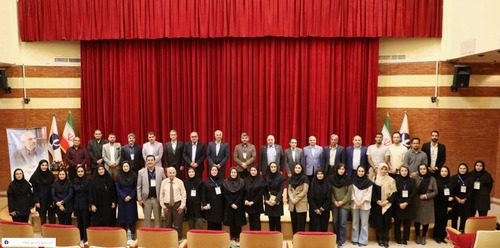
On October 24, 2026, the Pasteur Institute of Iran hosted the first commemoration of World Field Epidemiology Day in Iran, organized in collaboration with the Ministry of Health’s Center for Communicable Disease Control and the Iranian Scientific Association of Epidemiologists. The event brought together health administrators, academics, and specialists to discuss the role of field epidemiology in the national health system, professional development, emerging challenges, and lessons learned from field investigations. Dr. Ehsan Mostafavi, Director General of the Pasteur Institute of Iran, highlighted the mission of field epidemiologists and the Institute’s pivotal role in connecting field investigations, laboratory diagnostics, and research. The Director of the Center for Communicable Disease Control emphasized the importance of rapid response, active field engagement, and timely decision-making in addressing public health threats. Other speakers called for modernizing epidemiology education in line with scientific and technological advances, including artificial intelligence.
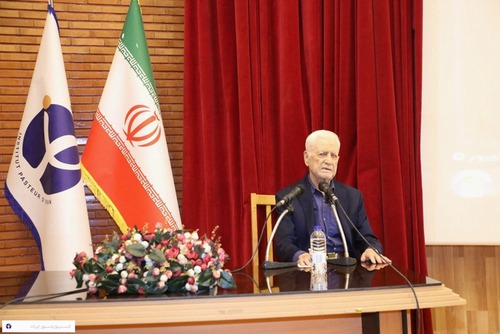
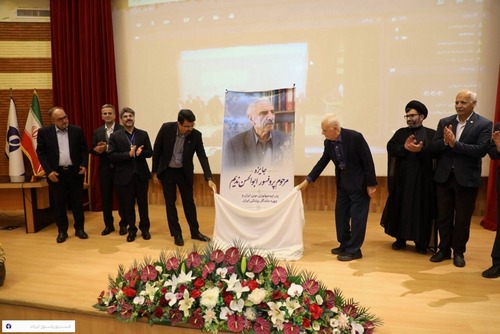
A major highlight was the tribute to Dr. Abolhassan Nadim, a pioneer of field epidemiology in Iran. Dr. Hossein Malekafzali, distinguished public health expert and member of the Institute’s Board of Trustees, reflected on Dr. Nadim’s legacy and stressed the importance of strengthening practical fieldwork. The ceremony also unveiled the Late Dr. Abolhassan Nadim Award, to be presented by the Iranian Scientific Association of Epidemiologists in recognition of outstanding contributions to epidemiology and pioneering work in the field.
Presentations from Tehran University of Medical Sciences and Shahid Beheshti University of Medical Sciences highlighted academic achievements, field investigation experiences, the importance of effective communication, and the need for robust sampling and evidence-based investigations. Further contributions explored field epidemiology in vaccine development and evaluation, veterinary public health, zoonotic disease control, animal health, and wildlife disease surveillance. Speakers from the University of Tehran, Razi Vaccine and Serum Research Institute, the Iran Veterinary Organization, and the Department of Environment emphasized the value of field evidence in protecting human, animal, and environmental health.
The gathering concluded with a call for stronger intersectoral collaboration, enhanced professional training, and expanded disease-focused programs involving universities and national health institutions. Beyond its scientific significance, the event marked the first public gathering at the Pasteur Institute of Iran since the war-related damage sustained eight months earlier. It reaffirmed the Institute’s commitment to rebuilding its capacities and continuing its scientific mission in service of public health.