Pasteur Institute of Iran Hosted Scientific Meeting on Infectious Diseases in War and Health System Resilience
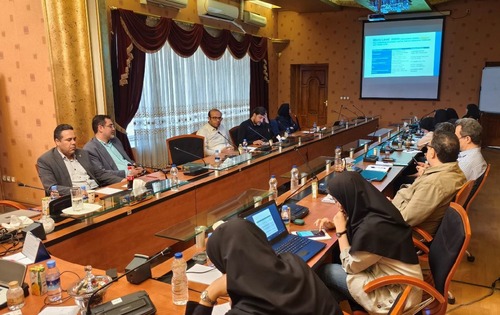
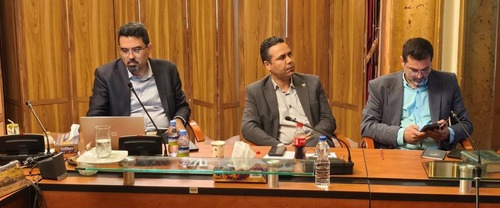
A scientific meeting on "Infectious Diseases in War and Health System Resilience" was jointly organized by the Emerging and Re-emerging Diseases Research Center of the Pasteur Institute of Iran and the Center for Communicable Disease Control of the Iranian Ministry of Health. The event took place on April 28, 2025, at the Tajrish branch of the Pasteur Institute of Iran. Dr. Ehsan Mostafavi, Director-General of the institute, opened the session by highlighting how war disrupts healthcare services and surveillance systems, similar to the challenges faced during the COVID-19 pandemic, thereby increasing the risk of emerging and re-emerging diseases.
Dr. Mohammad Mehdi Gouya emphasized that human-made crises like war are more complex than natural disasters, leading to political instability, uncertain aid access, and infrastructure destruction—key drivers of epidemic risks. He stressed the importance of rapid response teams, digital surveillance, and the "7-1-7" strategy (detecting outbreaks within 7 days and responding within 1 day). Dr. Ghobad Moradi presented online on Iran’s health system resilience during recent conflicts, noting acceptable performance in infectious disease control. Key measures included pre-crisis preparedness, smart surveillance systems, laboratory capacity building (especially for zoonotic diseases), vector control, and six-month strategic drug/equipment reserves. Experts warned of increased water/food-borne diseases, antimicrobial resistance, and re-emergence of typhus, measles, TB, and polio—citing recent experiences in Gaza, Syria, Iraq, Yemen, and Ukraine.
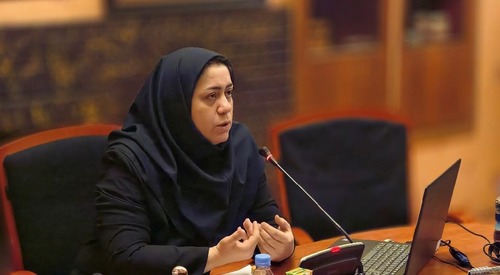
Dr. Fahimeh Bagheri Amiri, presented an analysis of war’s impact on the emergence and re-emergence of infectious diseases across micro, meso, and macro levels. She detailed direct and indirect consequences, including increased vector-borne diseases (e.g., leishmaniasis), rabies cases, surveillance breakdowns, diagnostic delays, antimicrobial resistance due to improper drug use, failure of hospital infection control, and heightened vulnerability of sensitive groups such as women and children. Her talk underscored the multi-layered, systemic nature of war-related infectious disease threats. Dr. Mostafa Salehi-Vaziri emphasized laboratory resilience and warned that endemic conditions and recent rains could facilitate the spread of dengue virus via Aedes mosquitoes in southern Iran. The meeting concluded with a call for comprehensive planning, multi-sectoral collaboration, and periodic drills to enhance health system preparedness for future crises.