Pasteur Institute of Iran Explored the Pandemic Threat and Epidemiology of Highly Pathogenic Avian Influenza
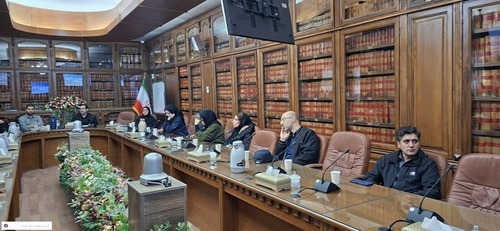
The 56th scientific meeting of the Research Center for Emerging and Re-emerging Diseases at the Pasteur Institute of Iran was held on November 8th, 2026, at the Pasteur Institute of Iran, with in-person and online participation. Under the theme “Highly Pathogenic Avian Influenza H5N1: From Widespread Animal Outbreaks to a Human Pandemic,” the meeting reviewed evidence on the virus’s epidemiology, spread, transmission dynamics, cross-species spillover, zoonotic risks, and implications for human health. Opening remarks highlighted H5N1 as an emerging health threat and the need to strengthen pandemic preparedness.
Dr. Amir Ghaemi, Head of the Influenza and Common Respiratory Viruses Department, discussed the virus’s evolution, pathogenicity, animal reservoirs, geographic spread, and possible routes of transmission to humans. First identified in China in 1996, H5N1 caused its first reported human infections in Hong Kong in 1997. It later spread across Asia and was detected in Russia and Europe. He emphasized that its expansion since 2020, alongside a broader range of animal hosts, represents a epidemiological shift. Infections have been reported in wild and domestic mammals and aquatic species across the Americas. Detection in North American dairy cattle in 2024, and evidence of transmission among animals, have heightened concern about the virus’s ability to cross species barriers. He noted that transmission from birds to humans is complex and depends on viral, host, and environmental factors.
Mr. Nader Ebrahimi, a senior virology expert at the Institute, examined ecological factors and patterns of contact that facilitate cross-species transmission. He underlined Iran’s exposure due to its location along migratory bird routes and its wetlands and lakes. Continuous monitoring of migratory birds and aquatic habitats, particularly in northern provinces, and investigation of suspected cases are essential for early detection. He also stressed closer coordination among human health, veterinary, and environmental authorities through an integrated One Health approach.
The meeting concluded with an online question-and-answer session on public health risks, wildlife surveillance, and challenges in the national monitoring system. Participants emphasized active surveillance, intersectoral cooperation, and habitat protection as priorities for preventing and responding to future outbreaks.