Emerging Disease Threats in Focus: Pasteur Institute of Iran Hosted Expert Meetings on West Nile Virus and Cyclosporiasis
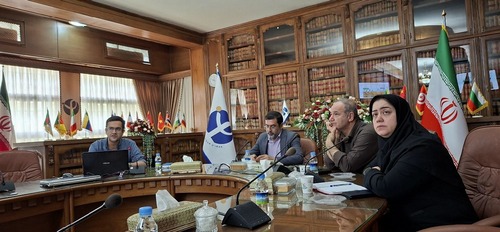
The Research Centre for Emerging and Re-emerging Infectious Diseases at the Pasteur Institute of Iran organized two scientific meetings in September, addressing major emerging infectious disease threats. The first on September 9, 2026, examined the latest status of West Nile virus (WNV), while the second on September 28, 2026, focused on cyclosporiasis under the theme "From Emerging Threat to Widespread Outbreak." Both events brought together experts in virology, parasitology, infectious diseases, epidemiology, and laboratory diagnostics.
At the WNV session, experts reviewed the virus's global spread, its transmission cycle involving birds and Culex mosquitoes, and the role of climate and environmental factors. They emphasized diagnostic challenges, noting that molecular testing and serological assays require confirmatory tests due to cross-reactivity with other flaviviruses, and that the brief viremic period makes timely sampling critical. Since clinical presentations range from asymptomatic infection to severe neuroinvasive disease, and no specific antiviral treatment exists, supportive care remains the mainstay. Accordingly, participants called for enhanced surveillance, vector control, and a comprehensive national strategy.
Turning to a different but equally pressing threat, the cyclosporiasis meeting addressed the 2026 outbreak, described as a significant concern for the WHO Experts explained that contaminated water and fresh produce, rather than person-to-person contact, drive transmission, and that global food supply chains can turn local cases into international outbreaks. They therefore stressed rapid case detection, laboratory confirmation, cluster investigation, and molecular analysis alongside epidemiological data. Regarding treatment, trimethoprim-sulfamethoxazole remains the drug of choice, though diagnosis requires repeated sampling since a single negative stool test does not rule out infection.
Despite the distinct nature of these two pathogens, both meetings converged on a common message: strengthening surveillance systems, raising awareness among clinicians and laboratories, and fostering collaboration across clinical, laboratory, environmental, and public health sectors are essential to detect, control, and prevent future outbreaks of emerging and re-emerging diseases.