The Pasteur Institute of Iran Damaged during the Recent Aerial Attacks
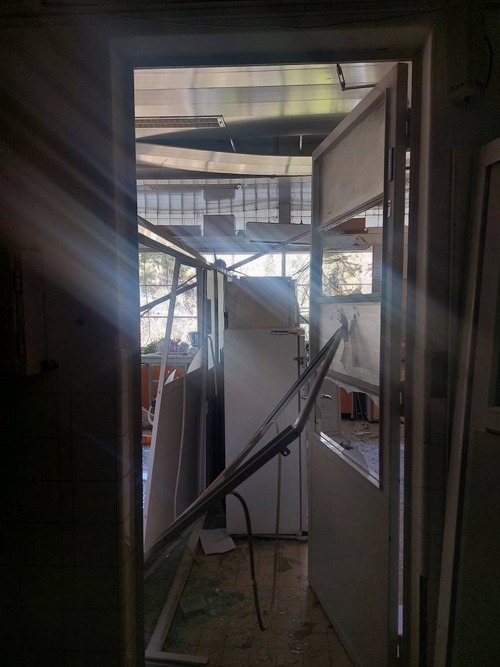
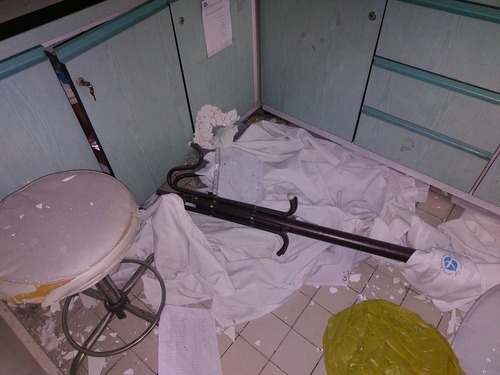
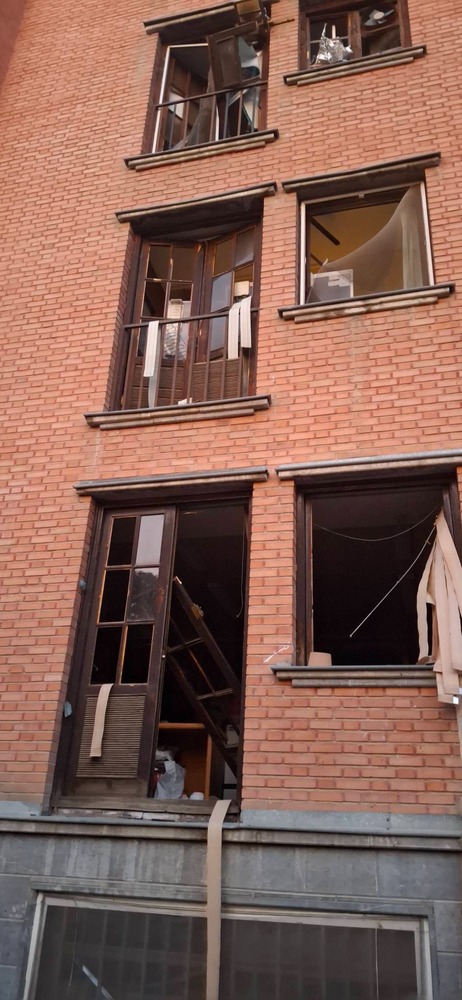
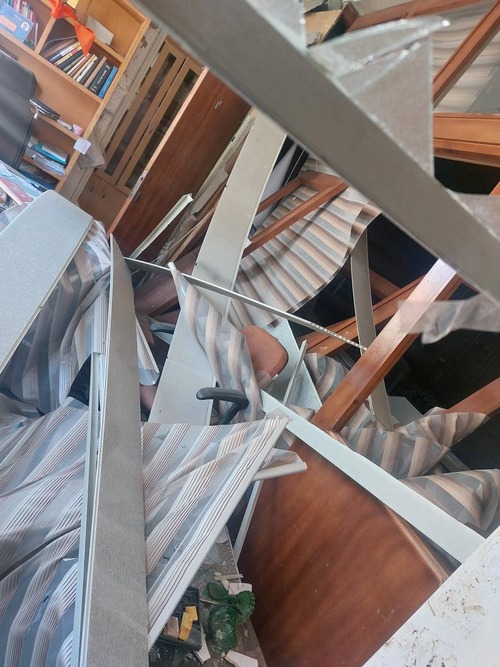
During the recent aerial bombardments, few departments of the Pasteur Institute of Iran were damaged while some buildings were totally destroyed. The destruction of equipment and instruments inside the departments and laboratories have critically affected the public health-related services provided by this historic national institution.
The Pasteur Institute of Iran is located in downtown Tehran and spans over 24000 meters squared. The campus includes 13 National Reference Laboratories, 3 Collaborating National Reference Laboratories, 8 Public Health Laboratories, 23 Research Departments, 2 WHO-Collaborating Centers, 3 Biobanks, 3 Research Networks Secretariats, 3 Research Centers, 1 Vaccination Unit and 1 Food & Drug Administration-Approved Laboratory. Thanks to precautionary measures, the main activities of the Pasteur Institute of Iran will be continued.
Established in 1920, the Pasteur Institute of Iran is the eleventh oldest Pasteur Institute inside the global Pasteur Network. The Pasteur Network with 33 members across the world, has been on the forefront of combating infectious diseases for over a century.
During its glorified history, the Pasteur Institute of Iran has been a pioneer of productions of various vaccines and detection kits as well as establishment of specific detection laboratories, based on genuine needs of the society. It has also been on top of controlling diseases such as smallpox, cholera, plague, recurring fevers, rabies, tuberculosis, hepatitis, viral hemorrhagic fevers and COVID-19 while monitoring emerging and re-emerging diseases.
Moreover, by training specialists in domains of basic sciences, public health, detection of Infectious diseases and vaccine production, the institute has played a significant role in advancement of science and expertise of the public health workforce of the country.