Seventh Joint Scientific Meeting of the Emerging and Re-emerging Diseases Research Center of the Pasteur Institute of Iran: Dengue Fever Management Experiences in Singapore
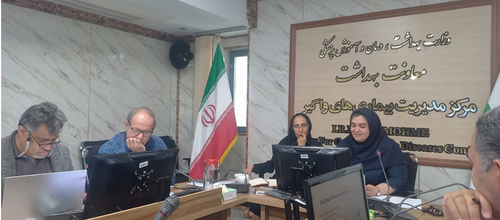
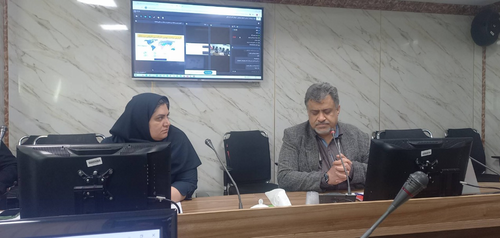
The Seventh Joint Scientific Meeting of the Emerging and Re-emerging Diseases Research Center of the Pasteur Institute of Iran and the Communicable Diseases Management Center of the Ministry of Health was held on June 9, 2026, under the title "Experiences of the Dengue Fever Management Delegation to Singapore." The meeting opened with an emphasis on the dynamic nature of Aedes mosquitoes and the resulting need for continuously updated protocols and guidelines. A report was presented on the 9th International Dengue Workshop, held in Singapore in November 2025 in collaboration with WHO, with participants from 35 countries. Key messages included the necessity of shifting from reactive approaches to preventive and smart strategies. These strategies involve using intelligent traps with online data transmission, weekly analysis of vector density indicators (especially adult mosquitoes), predictive models based on climatic data (temperature, humidity, rainfall), integrating entomological data with human case registration systems, and employingWolbachiasuppression/replacement methods as well as male mosquito sterilization. WHO priorities highlighted were investment in data-driven digital surveillance, developing biological control programs for high-risk cities, strengthening sustainable public education, creating regional networks for vector data exchange, and enhancing rapid response laboratory capacity.
A key message from the workshop for Iran was the need to move from post-epidemic reaction toward prediction, with the laboratory playing a critical role. In countries like Singapore, rapid diagnostic tests are widely used due to high disease burden; if Iran faces major epidemics, such tests should be used broadly at the point of care, provided they have acceptable sensitivity and specificity. Investment in genomic surveillance systems for dengue and other Aedes-borne diseases was also emphasized. Social participation is critically important, and authorities should not fear transparent communication. In crisis management meetings, communication experts must be present alongside policymakers and health officials. Singapore uses modeling integrating patient epidemiological data, vector data, weather data, and serotypes to forecast dengue outbreaks 2 to 8 weeks ahead for clinical management. When collecting patient histories, attention to differential diagnoses (e.g., rickettsial infections) is essential. Other clinical messages included the importance of managing chronic diseases (diabetes, hypertension), appropriate use of antiplatelet drugs, proper fluid and blood transfusion management, and recognition of long dengue. A panel discussion followed, addressing control and prevention strategies for Iran in light of global experiences and current national conditions. In closing, it was emphasized that the valuable knowledge gained by the delegation to Singapore must be transferred to all health levels, including clinicians, health experts and managers, policymakers, laboratory specialists, entomologists, and epidemiologists.