Pasteur Institute of Iran and TUMS Held Two Consecutive Joint Scientific Sessions on Tick-Borne Bacterial Zoonoses in Iran
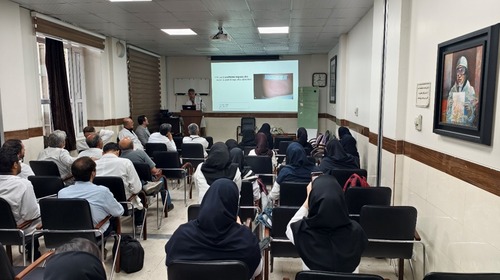
The Emerging and Re-emerging Infectious Diseases Research Center at the Pasteur Institute of Iran, in collaboration with Tehran University of Medical Sciences (TUMS), convened two consecutive scientific sessions addressing the growing public health challenge of tick-borne bacterial diseases. The 50th session (July 8, 2026) focused on rickettsial diseases, while the 51st session (July 14, 2026) covered Lyme disease and relapsing fevers. Both meetings brought together infectious disease specialists, microbiologists, and epidemiologists to review the latest findings on microbiology, epidemiology, clinical manifestations, diagnosis, and treatment. A recurring theme was the impact of climate change, ecological transformations, and expanding human-animal contact on the increasing distribution of tick vectors across Iran.
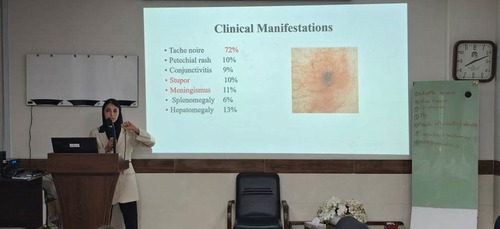
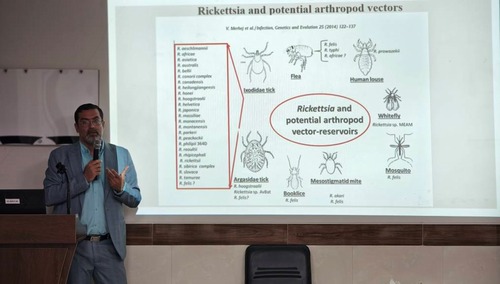
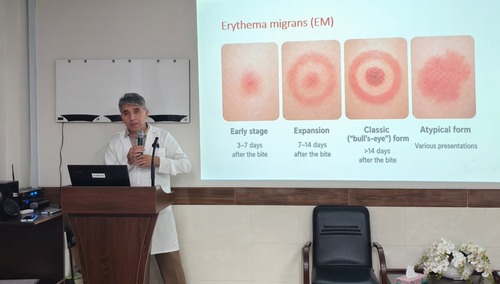
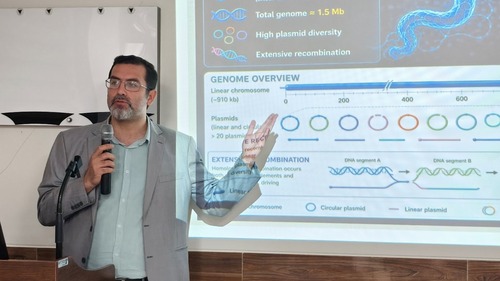
During the 50th session, Dr. Fereshteh Ghiasvand highlighted the diagnostic pitfalls of rickettsial infections, which are frequently mistaken for brucellosis or leptospirosis due to non-specific febrile symptoms, leading to dangerous treatment delays. Dr. Saber Esmaeili presented molecular and seroepidemiological evidence confirming the circulation of various Rickettsia species, including the agent of Mediterranean Spotted Fever, in ticks from multiple provinces, suggesting significant underreporting of human cases. The 51st session addressed Lyme disease—the most common tick-borne illness in the Northern Hemisphere—and relapsing fevers caused by Borrelia species. Dr. Sirus Jafari detailed the progressive clinical course of Lyme disease, from erythema migrans to neurological and cardiac complications, while Dr. Esmaeili explained diagnostic limitations and stressed the importance of interpreting laboratory results alongside clinical and epidemiological data.
In conclusion, both sessions underscored the urgent need for strengthened national surveillance, expanded laboratory capacity, and enhanced clinical awareness. Participants emphasized that early diagnosis, prompt treatment, and interdisciplinary collaboration are vital to reducing disease burden and preventing severe outcomes. These meetings reflect a strategic effort to bridge diagnostic laboratories with clinical practice, ensuring that the country's healthcare system is better prepared to detect, manage, and control tick-borne zoonoses amid ongoing environmental and demographic changes.