The Pasteur Institute of Iran
Senior Management Team
|
Annual Report on the Activities of the Pasteur Institute of Iran (2025)
The year 2025 was a period of remarkable achievement and dynamic growth for the Pasteur Institute of Iran, reinforcing its century-long legacy as a cornerstone of public health and scientific innovation in Iran and beyond. Since being trusted with the role of Director-General in February, I have overseen a year marked by strengthened international partnerships, notable scientific recognition, and a reinforced focus on national health security.
This annual report reflects our strategic expansion in global health diplomacy. We consolidated collaborations with key international partners, including the signing of a five-year cooperation agreement with Uzbekistan, advancing critical vaccine technology transfers with Cuba, and successfully exporting major shipments of BCG and Hepatitis B vaccines to Venezuela. Our global standing was further enhanced by designation as a WHO Collaborating Centre for Vector-Borne Diseases and by the active participation of our experts in pivotal Pasteur Network and WHO initiatives.
Domestically, the Pasteur Institute of Iran reaffirmed its role as a national leader in combating infectious diseases. We were entrusted with developing a national genomic surveillance system, hosted major conferences addressing threats ranging from avian influenza to antimicrobial resistance, and continued pioneering work in vaccine and diagnostic kit production. Our scientific excellence was highlighted through international accreditation of our tuberculosis laboratory, the impact factor achievement of the Iranian Biomedical Journal, and the recognition of four of our researchers among the world’s top 2% scientists.
From launching a French-language website to broaden international outreach, to training health professionals across the Islamic world, we demonstrated unwavering commitment to knowledge sharing and capacity building. This report illustrates how our historic legacy has been combined with forward-looking strategies, showcasing an institution dedicated to safeguarding public health through scientific excellence, collaboration, and innovation at both national and international levels.
I hope this report provides a clear and comprehensive picture of the recent efforts and achievements of the Pasteur Institute of Iran.
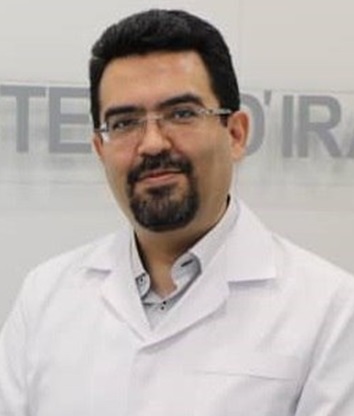
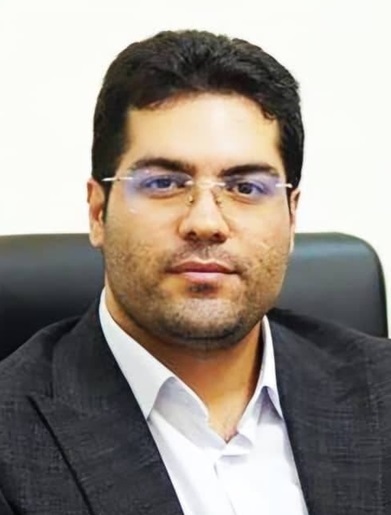
Director General Prof. Ehsan Mostafavi
|
|
|
|
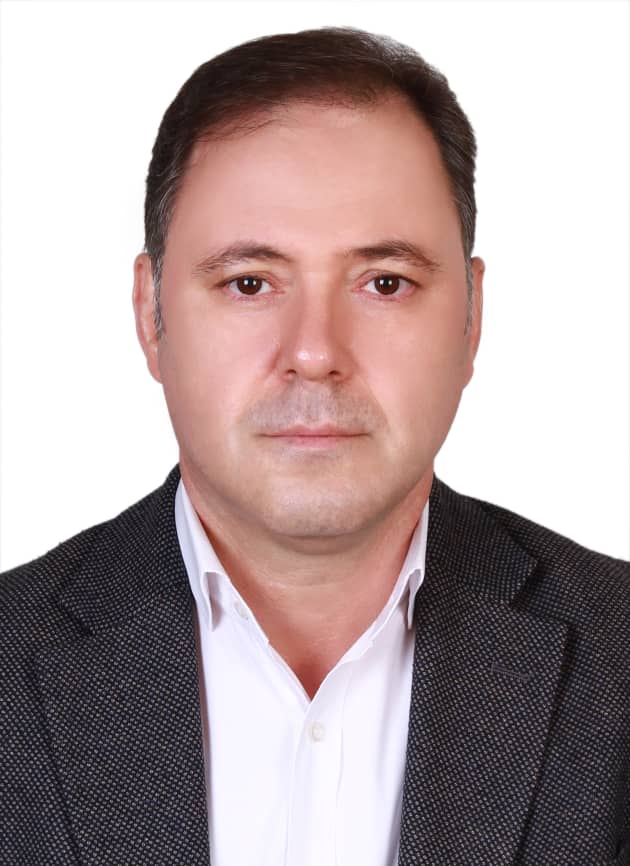
Deputy of Research, Education & Technology Prof. Morteza Karimipoor
Responsible for overseeing research projects, educational programs, and technological development at the institute. |
|
|
Deputy of Production Prof. Mehdi Paryan
Responsible for the production of vaccines, biopharmaceuticals, and diagnostic kits, ensuring the quality and safety of these products. |
|
|
Deputy of Management and Resource Development Dr. Abozar Zare Khafri
Responsible for managing the institute's resources, developing strategies for growth and sustainability, and overseeing administrative tasks.
|