Participation of Faculty Members from the Pasteur Institute of Iran in the International Conference on Combating Infectious Diseases at Saint Petersburg
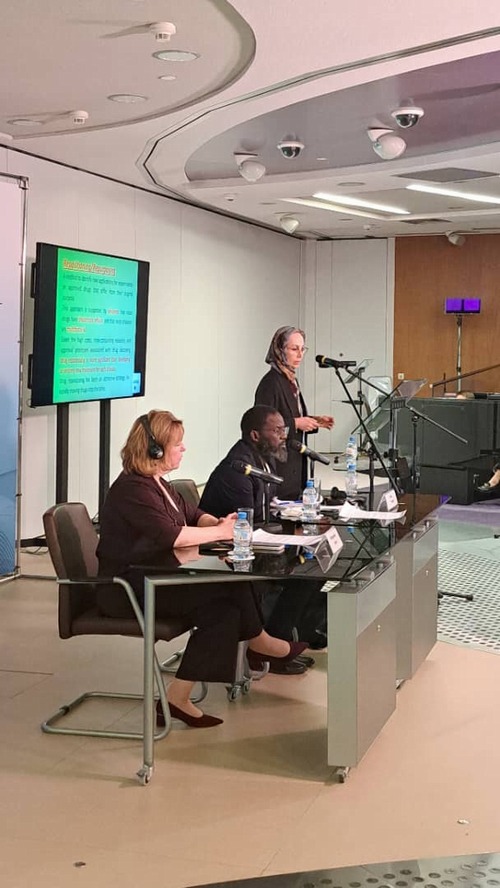
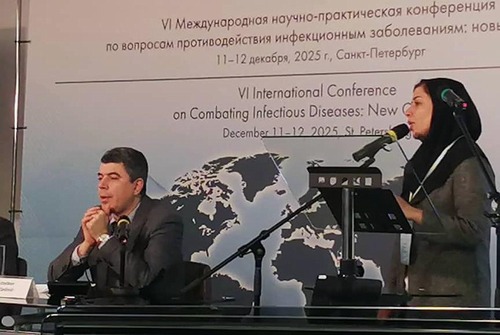
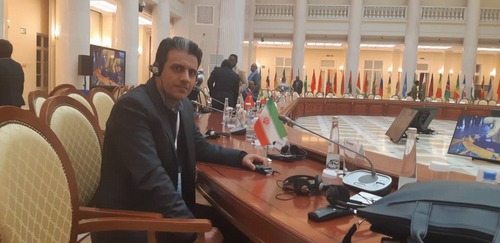
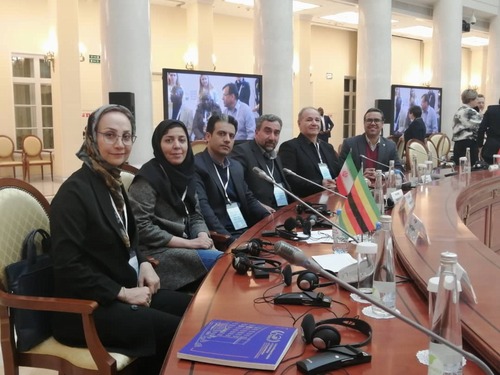
On December 11th and 12th, 2025, the Sixth International Congress on Combating Infectious Diseases, themed "New Challenges," was held in collaboration with the Saint Petersburg Pasteur Institute in the Russian Federation. At this scientific event, faculty members from the Pasteur Institute of Iran—namely, Dr. Parvaneh Mehrbod, Dr. Maryam Shahali, Dr. Mostafa Salehi Vaziri, and Dr. Mohammadreza Asadikaram—were invited by the Pasteur Institute of St. Petersburg to participate. The congress was attended by representatives from more than 30 countries. The Iranian delegate presented the Pasteur Institute of Iran's expertise in their respective fields, which included anti-influenza antiviral drugs, rabies vaccines, viral hemorrhagic fevers, and bacterial vaccines. Key topics of this congress included the role of big data in epidemiological surveillance, herd immunity, virus evolution, drug resistance in pathogenic bacteria, and the application of systems and synthetic biology in disease control. At this scientific gathering, in addition to presenting the latest scientific achievements in genomic surveillance, the development of mobile laboratories, and rapid-response technologies, emphasis was placed on the importance of regional and global cooperation to counter biological threats.
The Saint-Petersburg Pasteur Institute, with a 115-year history, is considered one of the reputable and well-equipped research, production, and educational institutions in the field of infectious diseases in Europe. The expansion of cooperation between the two Pasteur Institutes could bring about synergistic progress toward enhancing public health for both nations. It should be noted that the Pasteur Institute of Iran and the Saint-Petersburg Pasteur Institute have signed a Memorandum of Cooperation in 2022, aimed at promoting shared research, educational, and production collaborations to enhance the health of the people of both countries. By signing this memorandum, the two sides have expressed their plans to develop joint research projects and training programs. It is envisaged that these joint programs can lead to further strengthening of both parties' capabilities and help realize their shared scientific and educational missions.